From Idle Games to Building Games: Exploring the Evolution of Casual Gaming
Casual gaming has undergone a remarkable evolution over the past decade. From the simple and idle gaming experiences to more in-depth building games, the landscape is buzzing with creativity and innovation. This article dives deep into the changes, experiences, and the major players in this dynamic realm.
The Rise of Idle Games
Idle games, or clicker games, have taken the gaming world by storm. They require minimal interaction, allowing players to progress without constant engagement. Popular titles like Cookie Clicker and Adventure Capitalist exemplify how these games allow players to build empires without the usual time commitment.
What Makes Idle Games Compelling?
Idle games tap into the instant gratification phenomenon. Players find satisfaction in seeing numbers go up and resources multiply, almost like a virtual money-printing machine. This allure keeps players coming back for more, often resulting in countless hours spent watching numbers rise.
Transitioning to Building Games
As players became more comfortable with idle games, many sought deeper experiences. Enter building games—games that require strategy, planning, and creativity. Titles like SimCity BuildIt and Clash of Clans encourage players to construct and manage their own virtual worlds.
How Building Games Enhance Player Engagement
Building games offer a profound sense of purpose. Unlike idle games where progression is largely automatic, building games require players to think critically and make decisions, enhancing engagement. Players invest time and effort into their virtual creations, leading to a sense of achievement.
The Best Mobile Games with Great Story
Story-driven games in the mobile world captivate players deeply. Here’s a quick rundown of some of the best mobile experiences:
- Life is Strange
- Grim Fandango Remastered
- The Walking Dead: Season One
Crafting Stories in Building Games
Building games often incorporate narratives that add layers to the gameplay. Players may find themselves managing not just resources, but relationships and events in their game world. An example is Two Point Hospital, where humorous storytelling blends with building mechanics.
Case Study: Last Game of Total War
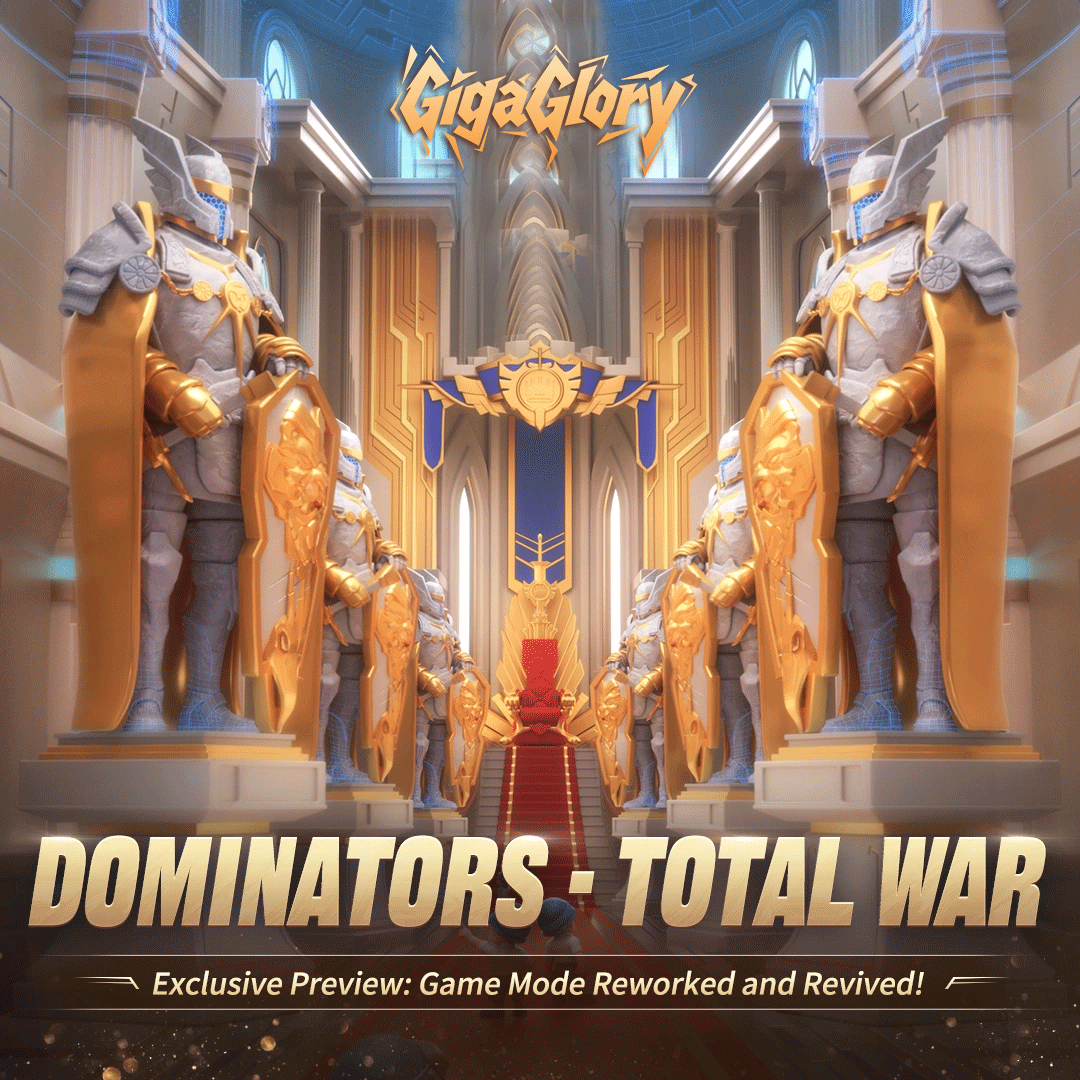
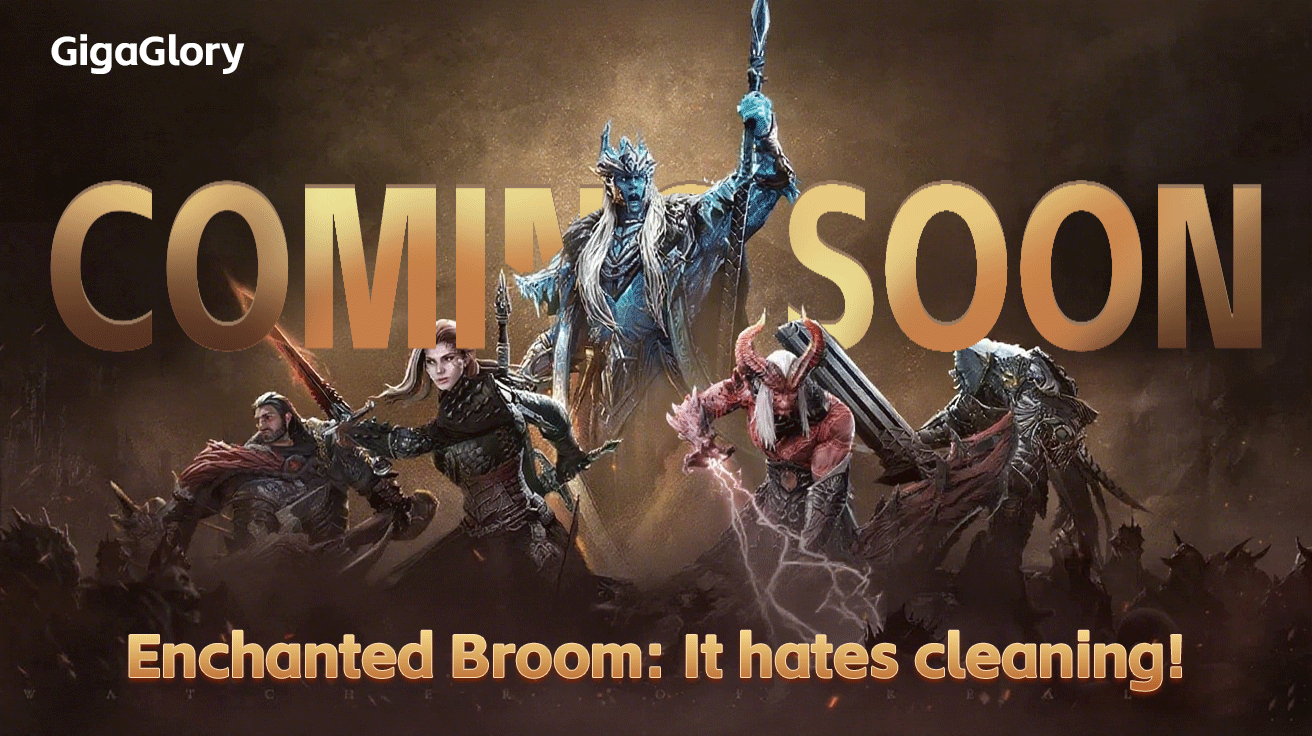
One title that brings depth and strategy to casual gaming is the Last Game of Total War. It merges building, combat, and a rich historical narrative to engage players. Gamers must construct their armies and fortifications while navigating the intricacies of strategy and history. This game exemplifies how casual gaming can push boundaries.
Understanding Player Preferences
In recent years, developers have started focusing on player preferences and feedback. Casual gamers are now more vocal about what they want, leading to more tailored experiences. Many games incorporate user-generated content, allowing players to shape their own narratives and gameplay. This trend is vital for staying relevant.
The Social Aspect of Casual Gaming
Multiplayer options in casual gaming have significantly changed how games are played. Players worldwide can now interact, collaborate, and compete in their building games. This social aspect adds a community feel that was once missing from the landscape.
What Lies Ahead for Casual Gaming?
The future of casual gaming appears bright. With advancements in technology, such as VR and AR, the gaming experience will likely evolve further. Imagine building games where you can immerse yourself in the environment you've created! This blending of reality and gaming is set to become a reality.
Challenges Faced by Developers
Despite its growth, there are challenges. The market is saturated, and it’s becoming harder for new titles to make a splash. Developers now need to strike the right balance between engaging gameplay and monetization strategies, ensuring players feel valued without being overwhelmed by ads or purchases.
How to Choose the Right Casual Game for You
Considering diving into casual gaming? Here are some tips to find the right fit:
- Consider your time commitment—idle games might suit you if you have limited playtime.
- Look for games with engaging stories if you enjoy narratives.
- Explore multiplayer features if you prefer a social experience.
Conclusion: The Ongoing Evolution
As we look back on the journey from idle games to expansive building games, it’s clear that casual gaming is ever-evolving. With technology advancing, player preferences shaping content, and innovative storytelling taking center stage, the future is indeed exciting. Dive in, explore the options, and immerse yourself in the ever-expanding universe of casual games!